






The global renewable power generation market demand is expected to grow at a compound annual growth rate (CAGR) of 7.9% from 2020 to 2027. This surge is driven by an escalating worldwide energy crisis and the urgent need for sustainable energy solutions, as conventional fossil fuels are increasingly replaced by cleaner alternatives such as wind and solar power.
The Paris Agreement has significantly bolstered this transition, prompting countries to commit to enhancing their adoption of renewable energy. As a result, renewable sources are becoming more efficient and cost-effective while playing a crucial role in reducing greenhouse gas emissions and minimising environmental impacts.
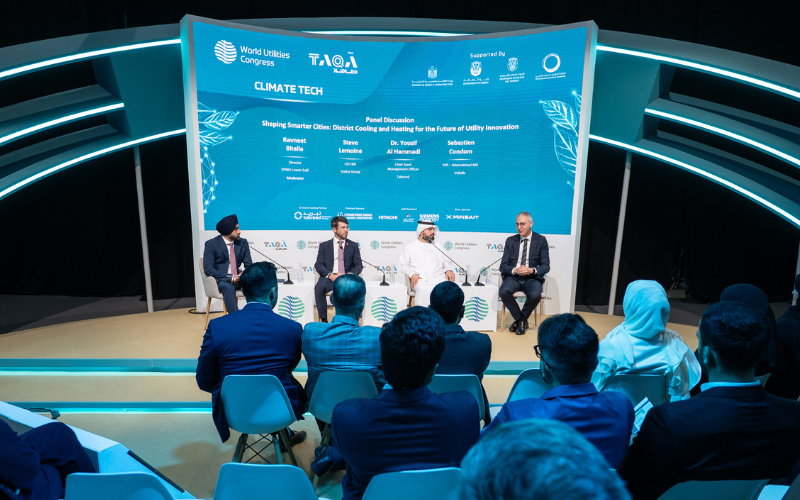
The Climate Tech Theatre will bring together industry leaders to explore forward-looking strategies for accelerating climate-smart solutions, integrating renewables into energy systems, and enhancing grid resilience. By focusing on cutting-edge technologies, decarbonisation pathways, and evolving regulatory landscapes, it will empower stakeholders to drive climate innovation, shape sustainable practices, and lead the shift towards a low-carbon, climate-resilient future.
• Advances in solar PV and Concentrated Solar Power (CSP)
• Offshore and onshore Wind technologies
• Emerging Hydropower Solutions: Run-of-River, Pumped Storage
• Breakthroughs in Energy Storage (batteries, thermal, and beyond)
• Smart grid architectures and edge Computing
• Digital twins for predictive grid management
• AI and machine learning for grid stability and demand forecasting
• Cybersecurity strategies for critical grid Infrastructure
• Rooftop solar, microgrids, and energy communities
• Peer-to-Peer energy trading and blockchain applications
• Regulatory and market design for DERs
• SMRs & advanced nuclear technologies
• Safety, waste management & public perception
• Nuclear’s role in grid stability & decarbonisation
• Decarbonising gas: hydrogen blending & carbon capture
• Methane reduction & gas infrastructure modernisation
• Flood & drought early-warning Systems
• Infrastructure hardening and asset Management
• Nature-based solutions for climate adaptation
• Biogas and Microbial Fuel Cells from Wastewater
• Waste Heat Recovery and Industrial Symbiosis
• Circular Sludge Management and Nutrient Recovery
• Green hydrogen production via electrolysis
• Hydrogen storage, transport & utilisation
• Integration of Hydrogen with Renewable Energy Systems
• Sourcing and recycling of minerals for clean tech
• Addressing geopolitical risks and supply chain disruptions
• Combined heat and power (CHP) and thermal networks
• Multi-utility corridors and smart city applications
• Scaling district cooling and heating solutions
• Innovative Financing Models (Green Bonds, PPPs)
• Regulatory frameworks to accelerate adoption
• Incentives for decarbonisation & Resilience Investments
• Protecting critical infrastructure from cyber threats
• Data governance & customer privacy
• Building cyber-resilient utility operations
• Upskilling for digital & green technologies
• Diversity, equity & Inclusion (DEI) Initiatives
• Leadership & change management in utilities



dmg events is an international exhibition and conference organiser, publisher and information provider to the Energy, Construction, Plastics, Coatings, Manufacturing, Transport, Design and Hospitality industries.
Member of


