




Net Zero Energy Hub
• Clean power generation for a net zero future
• Nuclear and firm low-carbon power for energy security
• Grid modernisation and transmission innovation
• Flexible energy systems with hydrogen and storage

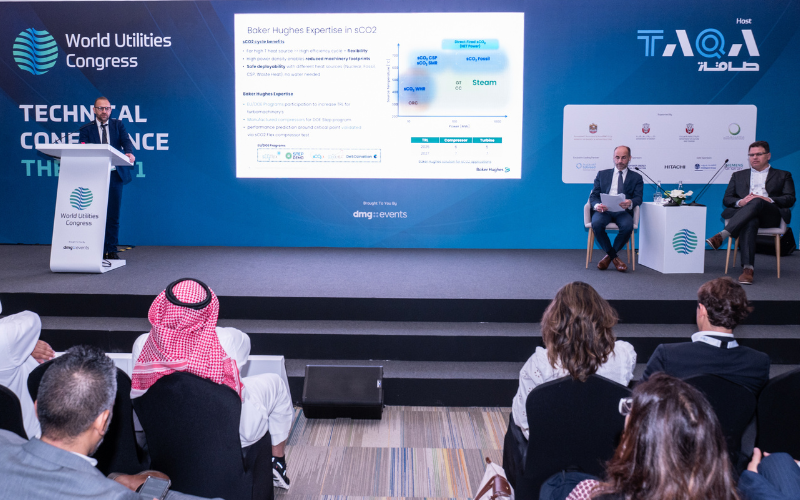
In an era defined by accelerating demand, rapidly evolving grids, and intensifying climate pressures, the utilities sector stands at the centre of some of the world’s most complex engineering challenges.
The Technical Conference serves as a platform for specialists who design, operate, and optimise these critical systems, bringing together industry leaders, researchers, and practitioners to exchange technical knowledge and deliver actionable solutions that advance operational excellence, measurable impact, system resilience, and long-term sustainability across the sector.

• Clean power generation for a net zero future
• Nuclear and firm low-carbon power for energy security
• Grid modernisation and transmission innovation
• Flexible energy systems with hydrogen and storage
• Clean power generation for a net zero future
• Nuclear and firm low-carbon power for energy security
• Grid modernisation and transmission innovation
• Flexible energy systems with hydrogen and storage

• AI, autonomy and intelligent utilities
• Distributed energy and decentralised power systems
• Electrified mobility and integrated energy systems
• Cybersecurity and digital trust for utilities
• AI, autonomy and intelligent utilities
• Distributed energy and decentralised power systems
• Electrified mobility and integrated energy systems
• Cybersecurity and digital trust for utilities

• Future-ready water systems and infrastructure
• Circular waste management and resource recovery
• ESG, sustainable finance and market innovation
• Future workforce, skills and operational excellence
• Future-ready water systems and infrastructure
• Circular waste management and resource recovery
• ESG, sustainable finance and market innovation
• Future workforce, skills and operational excellence
• Utility-scale solar and hybrid systems
• Wind (onshore and offshore)
• Geothermal, hydro, and marine energy
• Waste-to-energy and biomass
• Distributed generation and microgrids
• Off-grid and rural power solutions
• Industrial clean energy and critical minerals
• Decarbonising power and flexible gas systems
• District cooling and heating
• Carbon capture, utilisation and storage (CCUS) for power generation
• Renewable energy auctions and competitive procurement models
• Power Purchase Agreements (PPAs), corporate PPAs and long-term contracting framework
• Investment models and bankability of clean energy projects
• HVAC and HVDC systems
• Cross-border links and power pools
• Substation automation and digital upgrades
• Voltage and reactive power control
• Advanced conductors and dynamic line ratings
• Grid congestion management and flexibility
• Distributed energy resource (DER) integration
• Forecasting and outage prediction
• Climate-resilient grid planning and asset hardening
• Physical security and supply chain risk for transmission assets
• Grid-forming technologies and inverter-based resources
• Regional electricity markets and cross-border energy trading
• Transmission investment planning and financing
• Market design, liberalisation and regulatory frameworks
• Capacity markets, flexibility markets and ancillary services
• Predictive maintenance and asset monitoring
• AI for forecasting, dispatch and optimisation
• Digital twins and simulation for design and operations
• Analytics, automation and control room innovation
• Customer insights, smart billing and engagement
• Control room automation and decision support
• Integrated energy management platforms
• ML-based fault and anomaly detection
• AI-driven sustainability tracking and reporting
• Virtual assistants, chatbots and generative AI for engineering
• Data platforms, interoperability and utility data ecosystems
• EV charging infrastructure and planning
• Public transit and fleet electrification
• Smart mobility hubs and Mobility-as-a-Service (MaaS)
• Load management, smart charging and grid impact studies
• Battery swapping and V2G integration
• Urban energy planning and district charging
• Energy as a service for transport operators
• Decarbonising last mile logistics and delivery fleets
• Renewables integration in cities and transport hubs
• Clean mobility policy, incentives and standards
• Heavy-duty vehicle electrification and hydrogen mobility
• Charging infrastructure investment and business models
• Renewable and low carbon desalination
• Wastewater treatment, reuse and resource recovery
• Smart metering, leak detection and non revenue water reduction
• Energy efficiency in water utilities and pumping
• Agricultural water management and irrigation modernisation
• Industrial water reuse and zero liquid discharge
• Water–energy nexus planning and optimisation
• Pipelines, storage, drainage and network hardening
• Rural and off grid water solutions
• Water quality monitoring, compliance and digital dashboards
• Climate adaptation and water resilience planning
• Flood management and stormwater infrastructure
• Water security strategies for growing cities
• ESG reporting, benchmarking and disclosure standards
• Climate risk assessment, stress testing and resilience planning
• Green bonds, sustainable finance and blended finance instruments
• Governance, board accountability and risk oversight
• Social impact, stakeholder engagement and community benefits
• Diversity, equity and inclusion in utilities organisations
• Corporate carbon neutrality roadmaps and implementation
• Nature based solutions, biodiversity and ecosystem restoration
• Investor transparency and long term value creation
• Market reforms, liberalisation and capacity/flexibility markets
• Carbon pricing, trading and renewable PPAs/auctions
• Cross border power trade and regional market structures
• Regulatory enablers for new market designs
• Infrastructure investment models, PPPs and project financing mechanisms
• Large-scale nuclear and life extensions
• Small modular reactors (SMRs) and advanced reactors
• Nuclear safety, regulation and public trust
• Nuclear waste management and decommissioning
• Integration of nuclear with renewables and grids
• Co-generation: power, heat, hydrogen and industrial uses
• Financing models and risk frameworks for nuclear
• Nuclear supply chain, skills and workforce
• International cooperation and technology transfer
• Comparative perspectives with other low carbon baseload options
• Fusion energy developments and future nuclear technologies
• Green hydrogen
• Blue hydrogen, CCUS and gas transition
• Hydrogen blending and ammonia pathways
• Battery technologies (Li ion, LFP, etc.)
• Long duration energy storage (LDES)
• Thermal and mechanical storage
• V2G and EV battery reuse
• Industrial electrification and power-to-X
• Peak shaving and resilience services
• Hybrid fuel and storage systems
• Hydrogen infrastructure, transport and storage networks
• Sustainable aviation fuels and alternative clean fuels
• Energy storage business models, revenue stacking and market participation
• Smart meters and IoT
• Demand response and flexibility markets
• Virtual Power Plants (VPPs) and aggregators
• Rooftop solar, batteries and EVs at scale
• Blockchain and peer-to-peer trading models
• Intelligent inverter and grid forming technologies
• Consumer engagement and prosumer business models
• Microgrids and local energy communities
• DERMS platforms and orchestration
• DER regulations and market access frameworks
• Energy-as-a-service and new utility business models
• OT and IT cybersecurity for utilities
• Data privacy, compliance and regulation
• Incident detection, response and recovery
• Cloud, edge and hybrid security architectures
• AI ethics, transparency and governance
• Blockchain and distributed ledger security
• Infrastructure resilience and cyber physical security
• Cyber workforce training and certifications
• Interoperability and supply chain security
• Digital risk management, assurance and governance frameworks
• AI-enabled cyber threats and autonomous security response
• Municipal solid waste management and optimisation
• Waste to energy and thermal treatment technologies
• Sludge and biosolids management and reuse
• Industrial and hazardous waste reuse and valorisation
• Organic waste composting, anaerobic digestion and biogas
• Materials recovery, recycling and advanced sorting
• E waste management and circular electronics
• Construction and demolition waste recycling
• Circular economy models and business frameworks
• Landfill diversion, zero waste strategies and policy
• Carbon capture from waste-to-energy facilities
• Reskilling, upskilling and digital workforce transformation
• Leadership and talent development pipelines
• HSE management and safety culture
• Just transition workforce planning and labour implications
• Diversity and inclusion in hiring and retention
• Vocational training partnerships with industry and academia
• Operational excellence frameworks and continuous improvement
• Workforce well being, engagement and mental health
• Talent attraction, retention and future grievance models
• Project management excellence and delivery capabilities
• Digital workforce transformation and AI adoption readiness





dmg events is an international exhibition and conference organiser, publisher and information provider to the Energy, Construction, Plastics, Coatings, Manufacturing, Transport, Design and Hospitality industries.
Member of


